This was my eighth time seeing Wicked live. However much a teacher I greatly admire dislikes this show, I still have to say it: I love it.
Every visit brings a new understanding. Only today did I realise that this is a show about politics (more on that below). Few shows do this to me: the music is not merely good to listen to, the content is exactly to my taste as well.
The music is so good that even that teacher concedes it, and needs no more from me. Today I paid more attention to the character themes: how they recur, how they are layered. I was only listening, of course, and much of it went past me; my knowledge is limited and I will certainly have missed things. But this score absolutely deserves to be taken apart and analysed.
PoliticsWhat is the point of the Animals?
Now to the politics. My attention used to be entirely on the two heroines (I cannot help it; their story is exactly to my taste). Today I watched with that teacher’s slightly dismissive question in mind: what is the point of the Animals? So I thought about it. My answer is that, beside the humans, the Animals are the vulnerable group, an oppressed class whom the rulers will not allow to speak. The show does not obviously point at any one group, but it fits anywhere; it is a perennial subject.
More obvious still: the Wizard, the ruler, is weak and incompetent and uses power for his own ends; the headmistress flatters and trims her sails to the wind; Glinda is the face of virtue with no real power; Elphaba has real ability and works for the people, and offends those above her. Oz is a society in miniature. Most fairy tales do not end too badly, but this one is not perfect, as reality never could be: the truth cannot be vindicated, because there is still a public that has been fooled. Changing what has been instilled in a people little by little is harder than bringing down a ruling clique. That is what I find so realistic and so profound in it.
Changing what has been instilled in a people little by little is harder than bringing down a ruling clique.
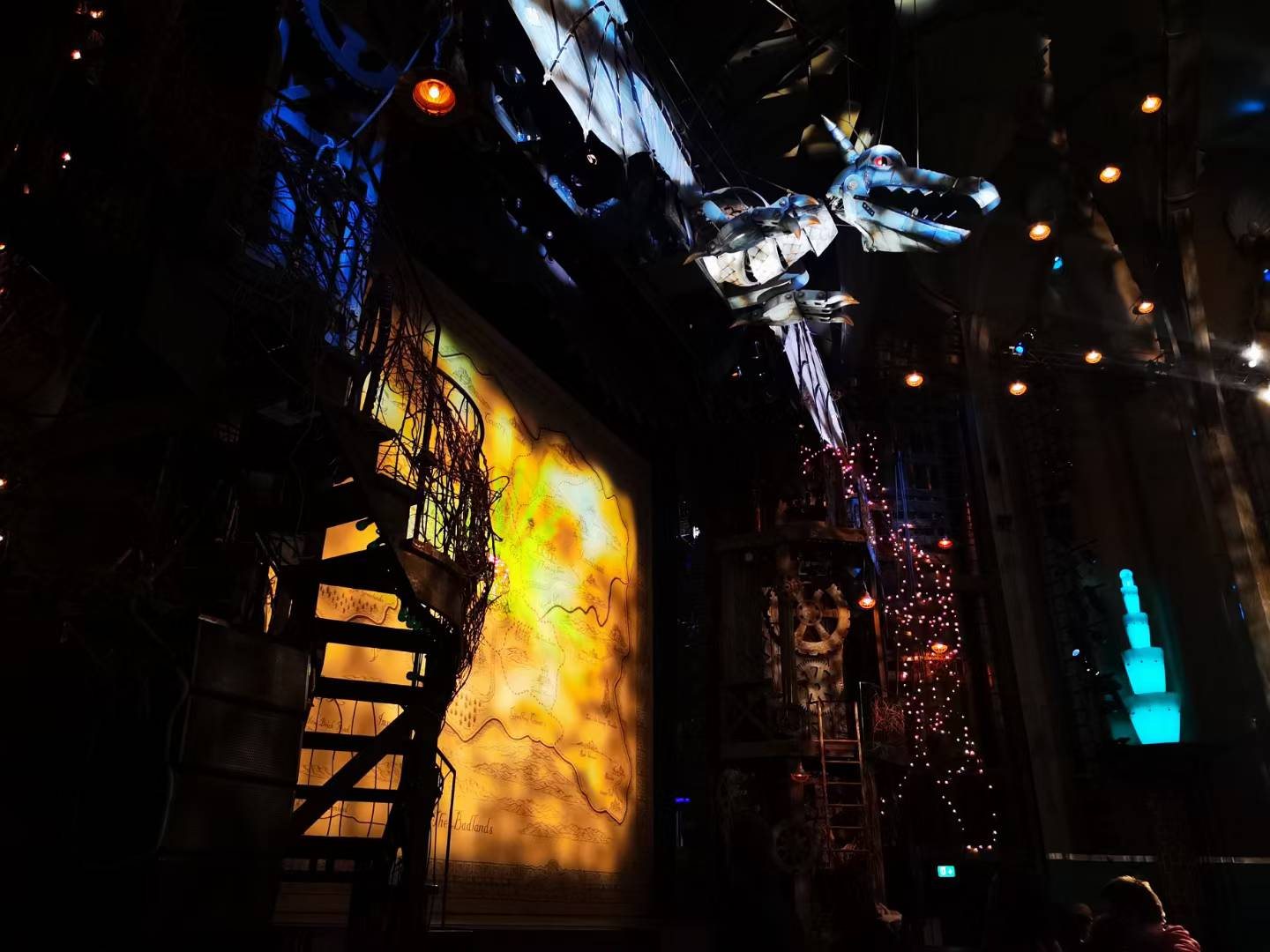
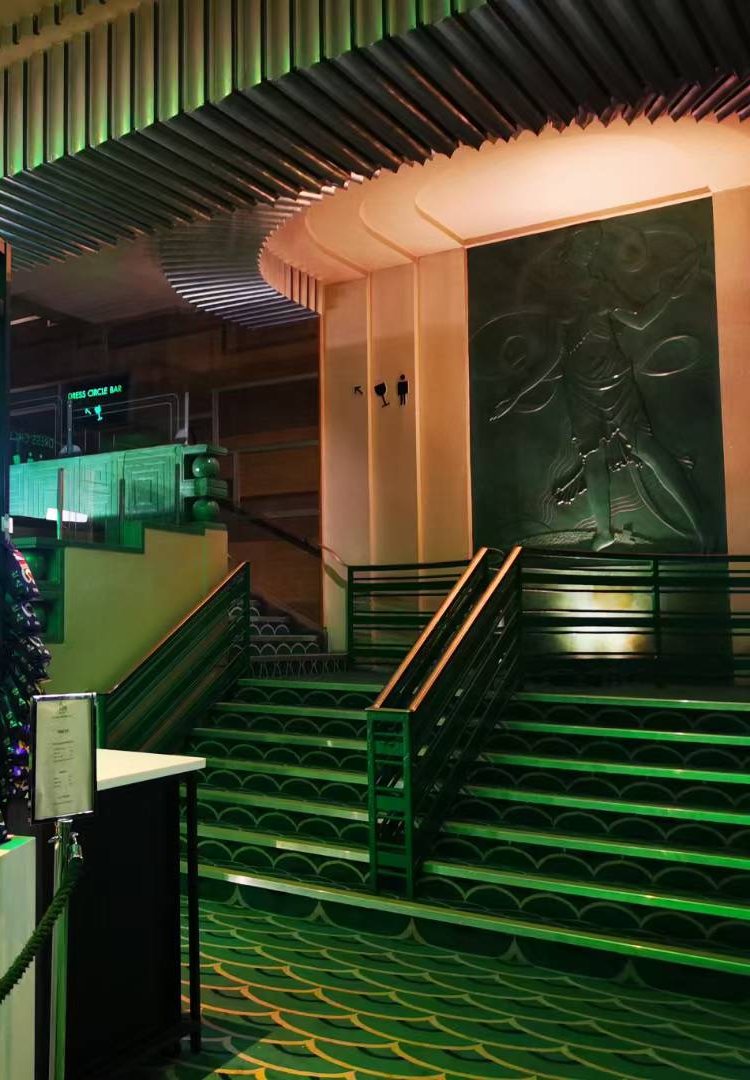
The storyAlmost faultless, except for Fiyero
The storyline of Wicked is very full; from the pace of the narrative to the drawing of the main characters there is almost nothing to fault. The exception is Fiyero: the motive for his transformation is still insufficient. His first number seems to explain his flippancy, roughly by saying that what school teaches us is always the wrong thing. That makes a little more sense of him, but to my mind it is nowhere near persuasive enough.
The friendshipOne line of a song, now the thing that makes me cry most
What moves me most is still the pair of them, Elphaba and Glinda. If the romance between Fiyero and Elphaba were not so romantic and so passionate, I would want to insist that the two women end up together. The line in “For Good” about having been changed because of you is one I have long used, ever since the tour came to China, when it merely seemed apt. Now it is the thing that makes me cry most, and I wept without restraint. First, I am moved by the way the two complete each other and grow together (more below). Second, it reminds me of my own growing up. To the friends from my drama society and our companies, an older fellow student first among them: we went through those hard and happy times hand in hand, and it is you who made me better, braver, more confident, more persistent and more in love with this work.
Now the friendship itself, which today I underlined in my mind. The two could not be more different in character and experience, and are at odds from the start. The first advance in the relationship comes from Glinda’s prank: malice turns, by accident, into kindness. Elphaba repays her with the chance to study sorcery alongside her, one good turn answered by another. Then Glinda comes to the rescue at the dance, which is where I first cried today: what makes Glinda good is not the goodness the public sees in her, but this, these details. After the rescue comes “Popular” in the bedroom (a Glinda with an English accent is a little less comic, but I like the sound of it), and from here the friendship is properly on course. They go together to see the Wizard and end Act One with “Defying Gravity”. Up to this point all is well between them; it is only that their paths diverge, and they have to wish each other well and part.
They meet again briefly during the hunt for Elphaba, which does not move the plot. The next meeting does: Fiyero openly changes sides, Glinda is wounded in love, best friend becomes rival, and in her anger she gives the headmistress a rotten idea. That idea gives Elphaba a grievance of her own, and a one-sided break becomes mutual. Then comes the scene in which they slap each other. (Knowing on which beat the slap lands has its drawbacks: just before it, Glinda moves her wand from her left hand to her right, and the picture in my head becomes an invitation, the left cheek politely cleared for the blow.)
Fiyero’s “death” indirectly brings about their reconciliation. “For Good” was sung extremely well, sweet with an ache in it. Afterwards Elphaba draws the curtain and feigns death (before she goes in she puts a finger to her lips for Glinda, a well-judged detail). When the whole sequence is over, Glinda, down on the floor, softly and tentatively calls her name, and my tears came; when she picks up the hat I cried harder. This parting answers, across the length of the show, the token with which their friendship began.
And it is not over. From then on Glinda grows up and bravely brings down the two villains, which is the friendship carrying on, for good as it were; while Elphaba, in the danger of a life on the run, still wants Glinda to know that she is alive. They are apart, but the bond is always there. Because I know the story so well, one moment today undid me at once: after the opening number, as Glinda is about to go off for her quick change, she makes to touch Elphaba and then, hesitating, keeps her distance. And the very end of the show weaves those two lines of “For Good” into the close of that same number. The finishing touch, and I could not stop crying.
Analysis of this kind, or a more detailed breakdown, seems to me very useful for anyone learning to write a book, and I hope the writers of new Chinese musicals will do more of this homework. I do it in order to learn myself. The dialectic of good and wickedness, and what the show has to teach about it, I will not go over again here; I have certainly written about it before.
The castTwo heroines, and a Fiyero not to my taste
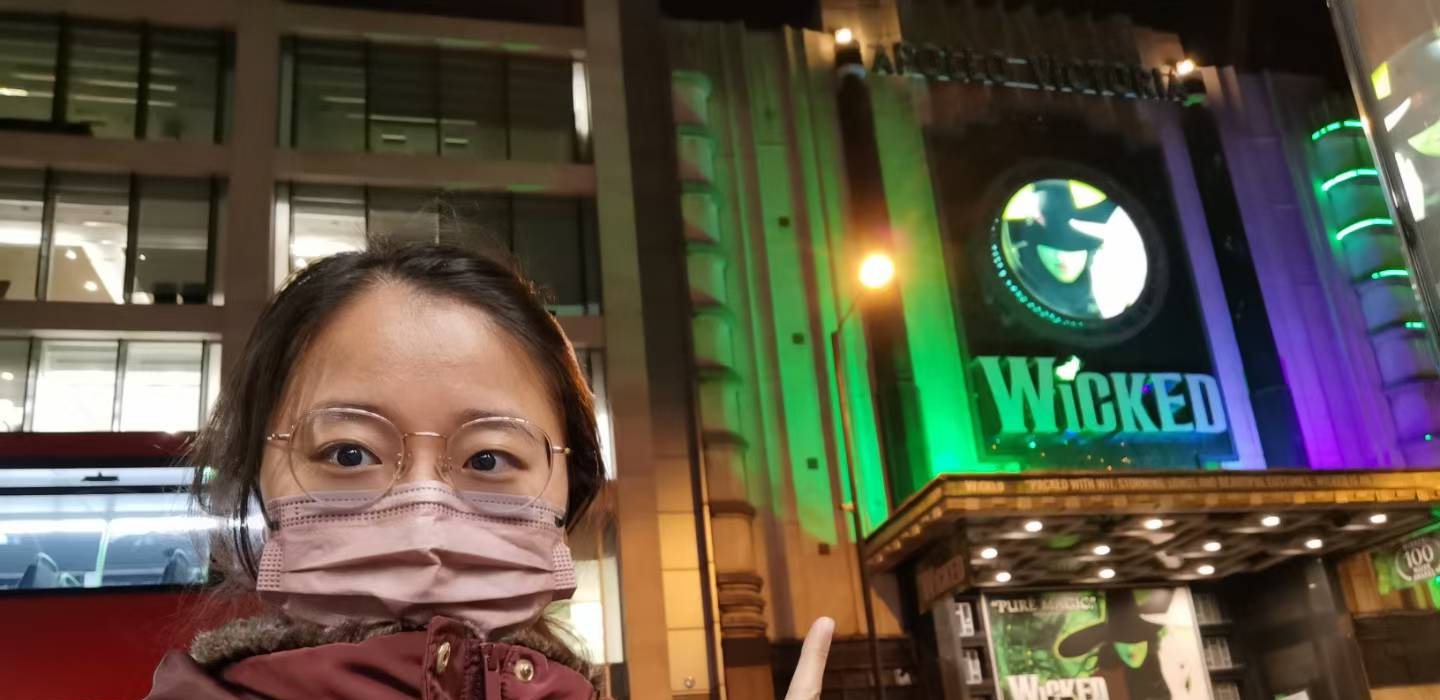
The two heroines did not drop a single line and need no further praise. This Fiyero, though, was not to my taste, whether mainly because of the timbre or the style of singing I cannot say. The number I look forward to most in the whole show is “As Long As You’re Mine”: usually, when Fiyero begins to sing, I come out in goosebumps. This time, the moment he began, and with his expressions and some odd gestures only too clear from the third row, the anticipation fell flat. His basic technique is sound, though, and he has the presence for the part.
The theatreA theatre that can only play Wicked

I have still not found the fridge magnet from last time, and here I am buying a new one. This one is certainly not going on the fridge.
This theatre can hardly play anything but Wicked: inside and out, the show has soaked into its bones. Putting on anything else would be hard work; the size, the colour scheme, the murals and the display stands would all be wasted if they were not here doing their job. In fact, though, the houses for Wicked have never been all that full. A whole block at the side of the rear stalls was empty, and I have never sat upstairs in this theatre, so I cannot speak for the circle. I cannot immediately think of a way to give the box office a push, and for now the show simply sits on TodayTix with its Daily Dozen all year round. The seat really was good, though: C26 is dead centre, my neck was not especially tired, I missed none of the detail, and I breathed in plenty of dry ice.
Thoughts from this seat
- Changing what has been instilled in a people little by little is harder than bringing down a ruling clique.
- What makes Glinda good is not the goodness the public sees in her.
- They are apart, but the bond is always there.
 Tianjiao TanProducer and writer. Makes theatre, and sits in the audience for everyone else’s.About me →← All reviews