I loved it, and cried again and again.
The bookFast, and it never loses you
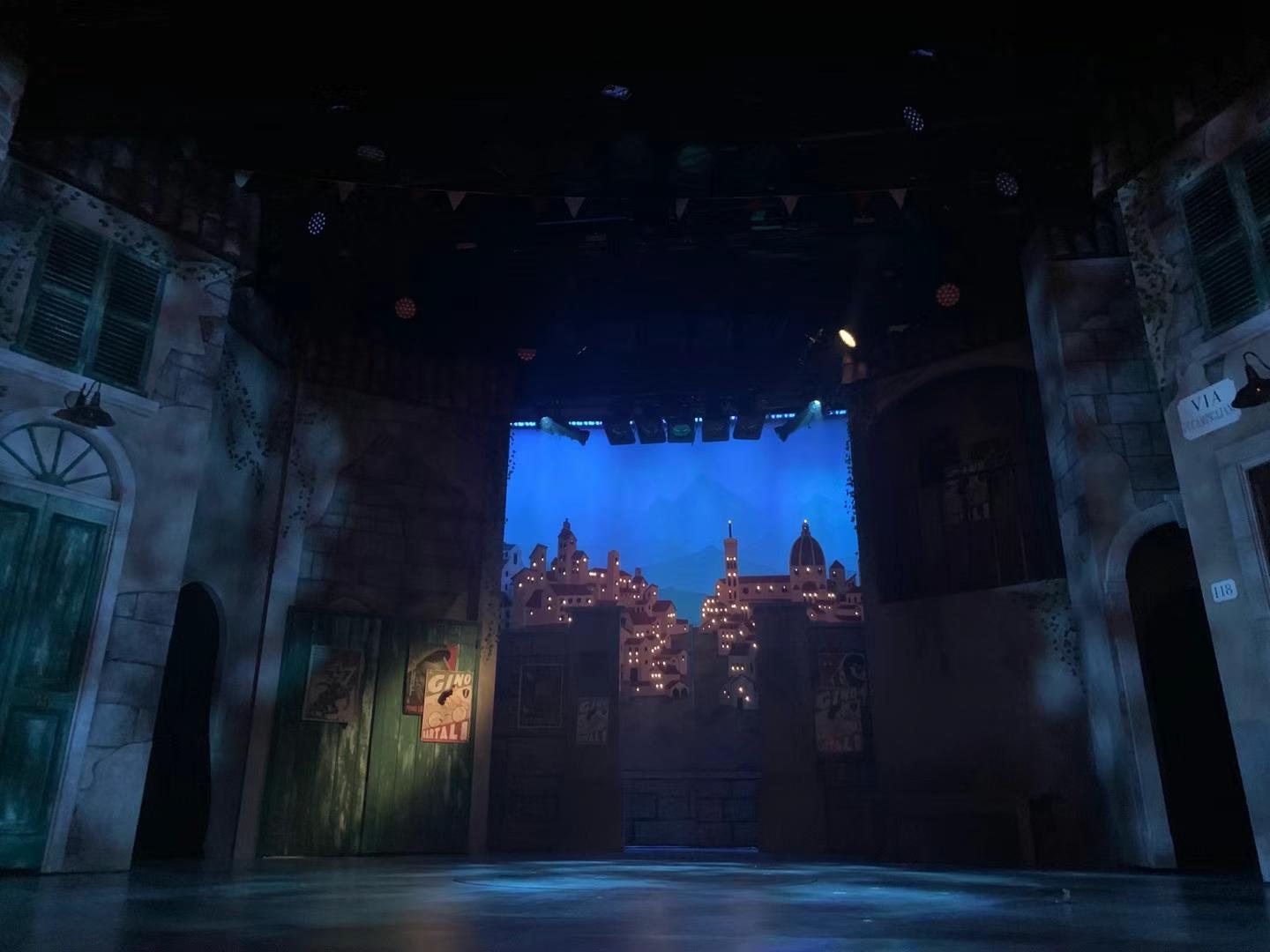
The book is superb: the plot points are placed almost perfectly, the characters are fully rounded, and the feeling is dug out properly. It is fast for about eighty per cent of its length. The opening number sets out the background at once and, in passing, delivers the regret that runs through the whole show: the accidental death of the younger brother. Narrative numbers and lyrical ones alternate well; the pace leaves you no time to drift, and where you ought to feel, it pulls you in.
CharactersMario, the friends, and the leading man
Mario has something of Javert about him (I can’t help it, everything looks like Les Misérables to me; but I am surely not alone, and this writer must have been deeply inspired by it). I mean the conflict he cannot reconcile, not his temperament; he is a man of strong attachments. From trusting his friend with his whole heart, and still trusting him when he is kept in the dark; from losing the woman he loves to that friend, to the pressure from above; with a patriotism that has gone astray and the devilish pull of glory mixed in; to the moment he points a gun at his friend, the peak of his torment; and finally choosing to save him and die himself. A wonderful character.
The trio of sporting champion, priest and accountant holds the eye too. Nico is richly drawn as well: he sometimes hangs back a little, yet in the end he charges in, and he carries much of the comedy, such as letting something slip in front of the cuckolded husband, or scaring off the Blackshirts by pretending to be a German spy. When the Jewish identity that has been kept silent all along is finally explained, many of the things planted earlier fall into place.
The leading man has my complete admiration: presence, singing, acting, delivery, all outstanding. Sometimes a single look brought me to tears: the scene where the little brother, hidden at home all this time, is persecuted because he was waiting for him; the moment he doubts whether anything he has done has meant anything; the turning points with the leading lady; and the song in which he breaks with his father.
FamilyDo you believe in your son?
The family thread carries real weight too. To begin with, father and mother are distinct people. From the start they are not on his side, and the misunderstanding only deepens; one song, asking whether you believe in your son, says everything about a child’s longing for a parent’s support and approval. The father’s first reunion with his son after learning the truth is textbook acting. And the parents’ incomprehension becomes one more weight pressing on what he is doing: he has more to bear, and it wrings the heart all the more.
ThemeWhat glory is
The final argument between the hero and Mario over what glory is lifts the whole show and brings it home to its title. It defeats every earlier hesitation, eases the pain of sacrifice, and proves it all meant something. The finale brings on the rescued children, now grown, and their descendants, and so makes that glory firmer still: it was built on risking one’s life, on the risk of being misunderstood and the risk of failing. They could have done nothing, and chose to act.
They could have done nothing, and chose to act.
In modern life this kind of great sacrifice seems rare. The show doesn’t preach sacrifice, yet it lets you see people who, to make the world better, gave that much willingly, and to real effect. It is warming, and it is a kind of strength.
Music and marketingRock, folk colour, and two posters
The music is good, with plenty of rock; at times it reminded me of Jesus Christ Superstar, and there is some folk colour too. The melodies do a lot for the emotion.
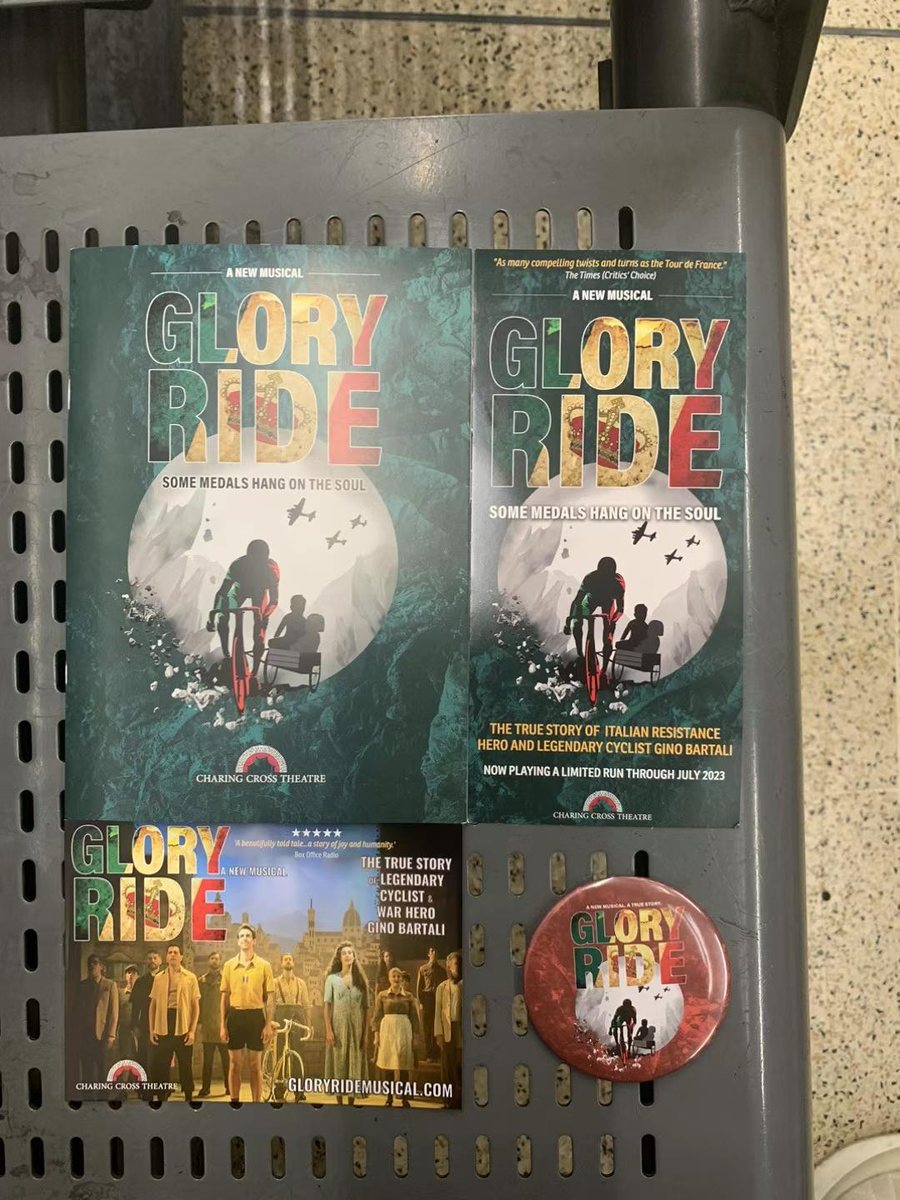
A friend posted last year’s poster. This year’s is more realistic and rather grander, but I may prefer the old one: I know it was less handsome and less eye-catching, but it got straight to the point. And why does it still call itself “a new musical”?
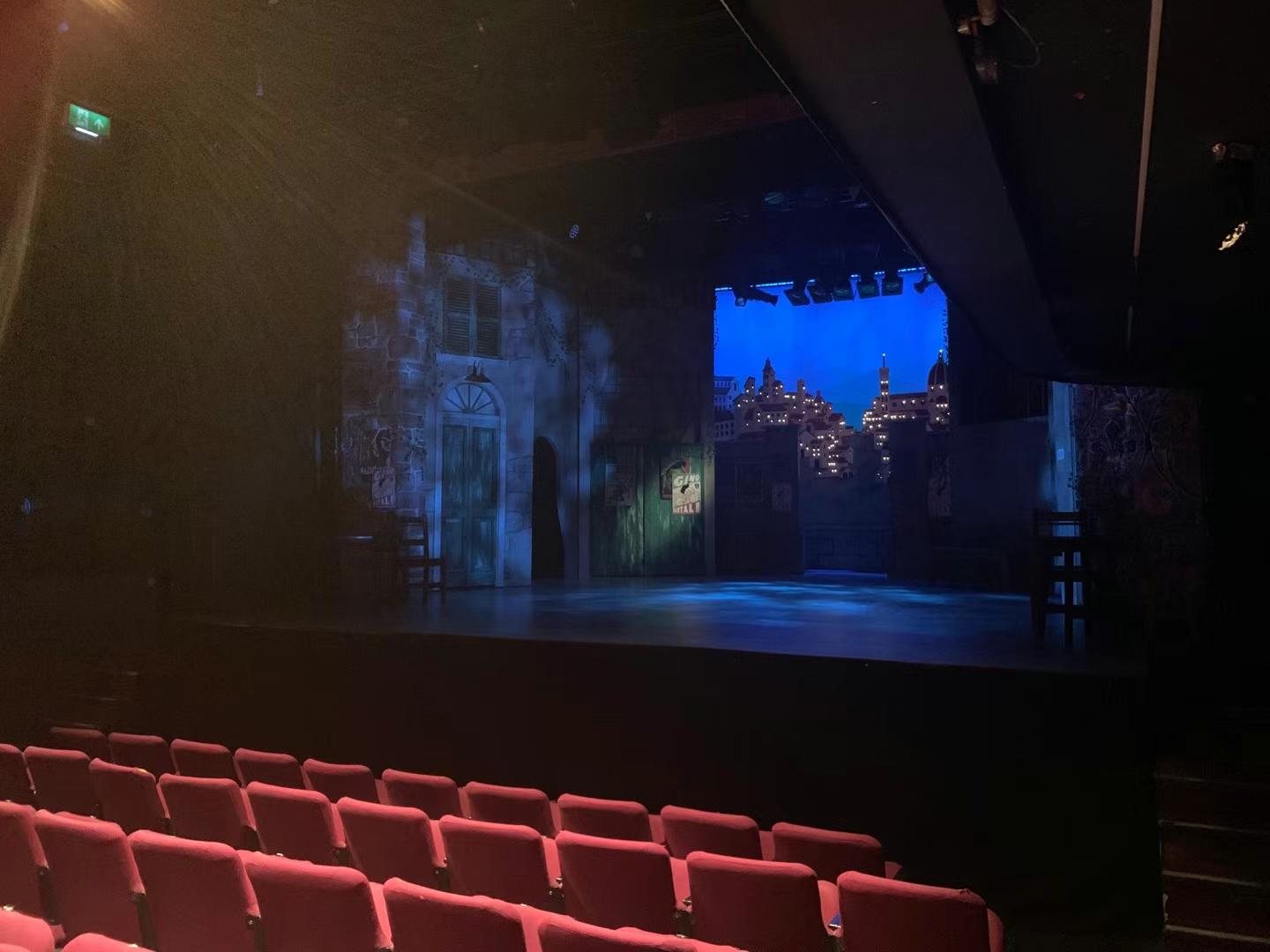
I liked it enough to go again in a better seat.
Thoughts from this seat
- The pace leaves you no time to drift, and where you ought to feel, it pulls you in.
- They could have done nothing, and chose to act.
- People who gave that much willingly, to make the world better.
 Tianjiao TanProducer and writer. Makes theatre, and sits in the audience for everyone else’s.About me →← All reviews