This is a musical I love. Roughly in order, then. The opening number has the company dancing with coloured ribbons, something I think I was seeing for the first time, and it works beautifully; it is a real test of blocking, and done badly it would look like chaos.
SongsUndone, again and again, by a song about a snowman
“Do You Want to Build a Snowman?” left me in pieces (I exaggerate only slightly), crying again and again: the tune is woven back in at exactly the right places. The reprise of “A Little Bit of You” is touching too, but it is the snowman song that moves me most.
Then there is “Love Is an Open Door”, which astonished me. I had seen clips of it performed before; people must have chosen it because it is a classic, but I could never see that from their performances and wondered what the fuss was about. Seeing it live today, I fell for it completely. The difference is that this song has to be acted: Hans’s counterfeit innocence against Anna’s real innocence, her unworldliness and bright hopes for love, even that blind, eager longing on meeting someone who seems exactly right, all of it in the smallest gesture and the flicker of a smile. In the clips I had seen, both performers were rather wooden.
A poor memory has its uses. I had forgotten most of the details of the film, so the plot was still quite “fresh” to me, and I tensed, sighed and wept along with it.
The reprise of “What Do You Know About Love?” is short and to the point: just a couple of lines repeated, each landing exactly. If the show wants to speak to adults, though, I would like the love between Anna and Kristoff to be laid out with more delicacy. As it stands it is very much a fairy tale.
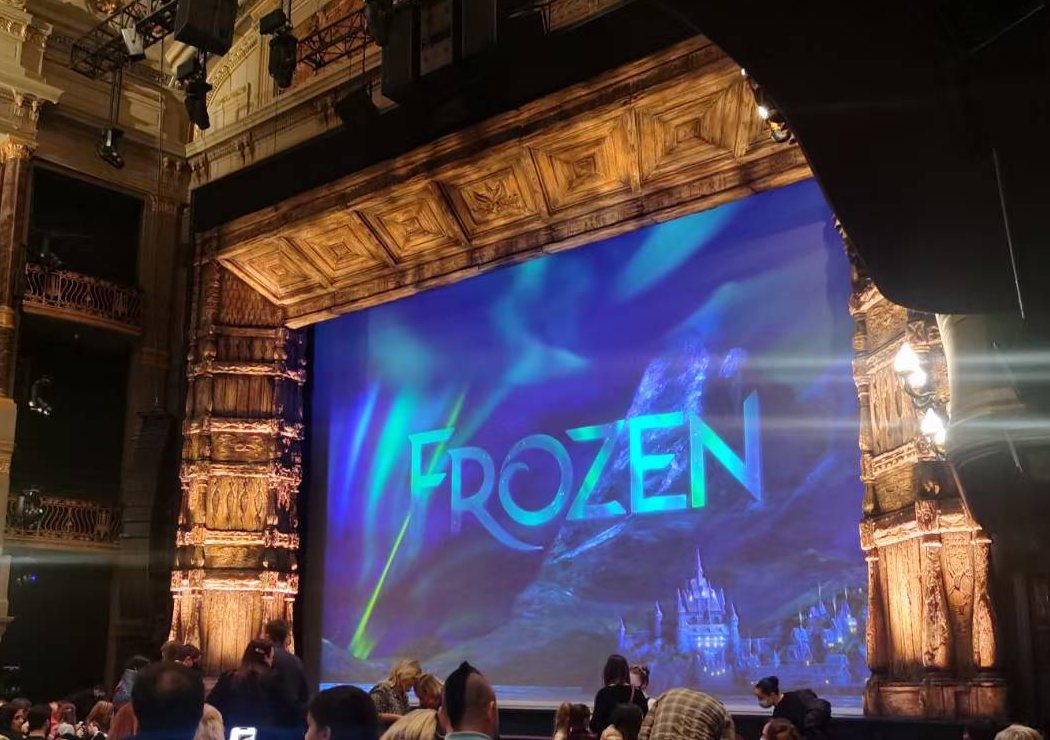
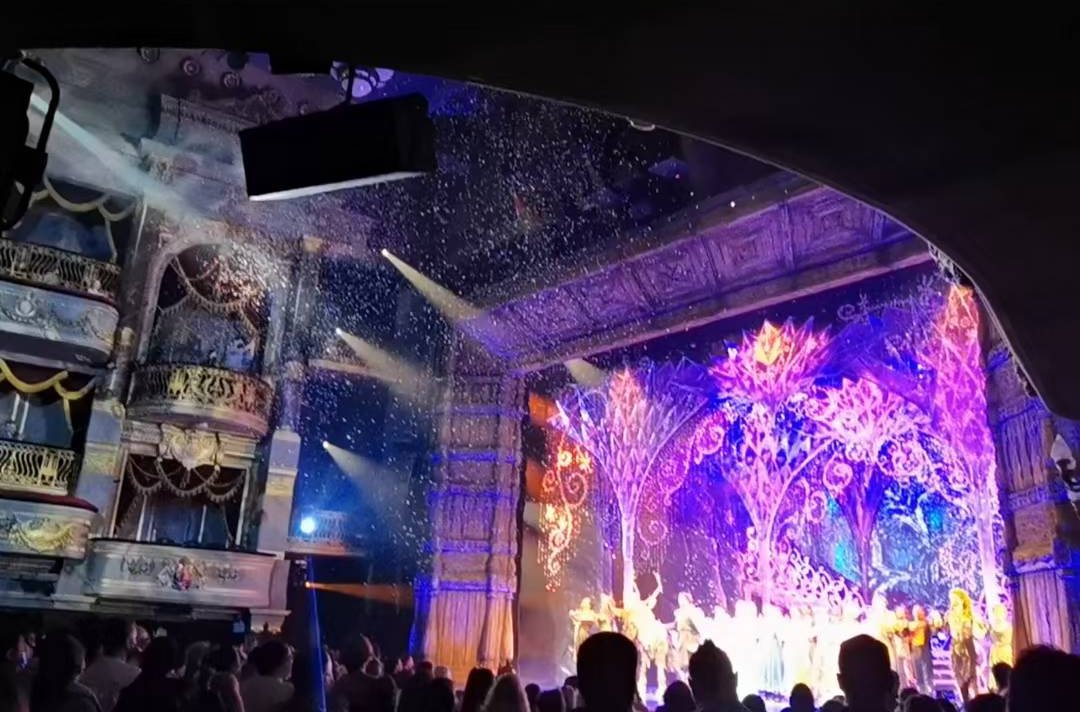
AudienceFor children, and for adults too
The show has relatively few numbers and runs about as long as most, close to two and a half hours. There is rather more dialogue than usual, which does no harm. The vocabulary is simple; I imagine children were the core audience from the start. But there is also some flirting between Anna and Hans with a faintly grown-up flavour: children will think nothing of it, and adults will enjoy it.
There are relatively many lyrical numbers, which suits the theme of sisterhood and gives the two leads plenty of room. That sisterly love moved me deeply, probably because I have a younger sister myself: so many small moments brought back memories, and my feeling for her.
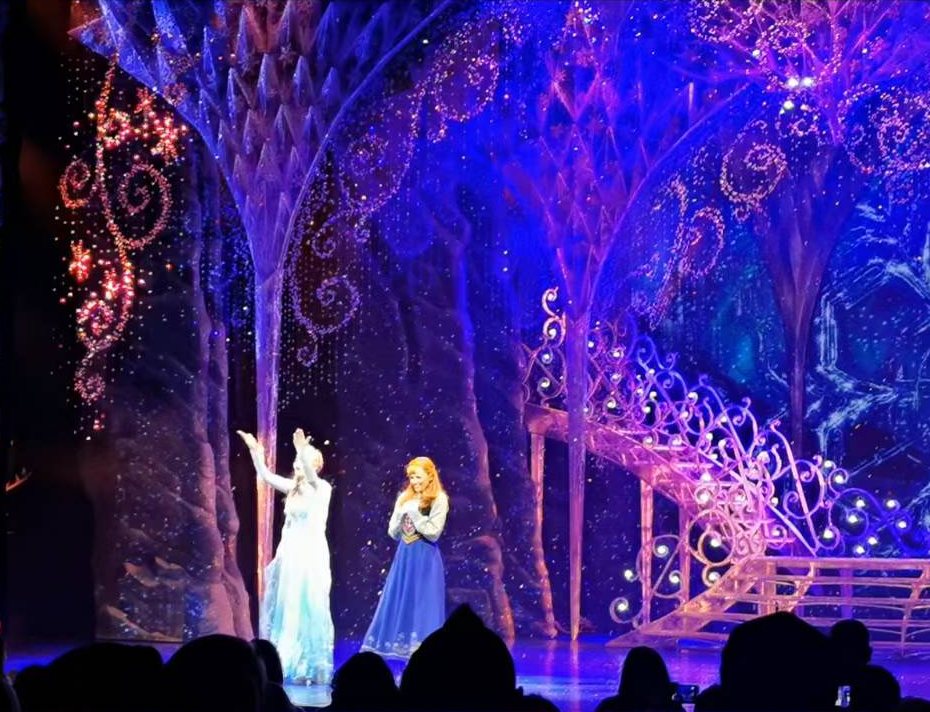
The image of Anna stepping in front of the sword for Elsa was not staged very smoothly, but it is no less moving for that. At the moment she freezes, the house was utterly silent and I was in full flow, when a small voice said “poor Elsa” and set me and everyone around me laughing. Earlier, in the childhood scenes, another child jumped in with “No way, Anna” ahead of the line: clearly a seasoned fan, and a little bonus from the audience. There were also children who clapped in the wrong places or talked too loudly. Noisy children are everywhere; the difference here is that the parents stop them straight away.
PuppetsOlaf and Sven
Olaf is a triumph: faithful to the film in appearance, and adorable in the handling and acting of the performer behind him. The snowman is attached to the performer’s feet, and his arms seem to be on wires worked by hand; the performer wears white, with a hat like the snowman’s. He is not merely operating a puppet. He is acting. For a puppet to reach this level is wonderful.
Sven is just as alive, and technically demanding: on all fours, with the hands also working the eyes and ears. The effect is superb. I gather two performers alternate in the part.
BillingWho is the lead?
The billing in the programme is worth a word. Weselton is sixth in the cast list and the two Svens seventh and eighth; in the detailed biographies, everyone from ninth place on is grouped under the ensemble, while the list of performers puts every named role under “cast”. It is all very carefully ranked. Even Anna and Elsa are placed in order, with Anna ahead of Elsa. Disney does things differently from home-grown British productions, and it reminded me of how billing is handled in China, even though this is the West End version. British productions usually avoid a strict order, and are never this deliberate about it.
To my mind this is a show with two female leads. If one of them must come first, I would say Elsa: the two take part in the same number of songs, and Elsa has solos where Anna has none. Only if Anna’s inner life were given more attention, and not simply more plot, would I accept her as the lead. Besides, the show’s logo is Elsa. (I am speaking of the musical; as I remember it, the film gives rather more.)
The stageA set worth seeing from the centre
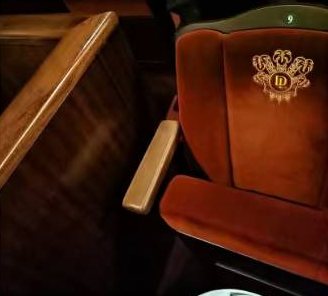
The set is a dream. Next time I want a more central seat, because it deserves to be seen from the middle. Elsa’s costume change takes a tenth of a second, less time than a blink, and the audience went wild. They went wild again when Anna punched Hans.
Thinking it over calmly, the stage version’s plot is heavily abridged. Its strength is that it uses what a musical can do to get the feeling across in full.
The stage version’s plot is heavily abridged. Its strength is that it uses what a musical can do to get the feeling across in full.
An asideThe more rational, the more emotional
I admit I cried rather a lot this time. I was already in a tearful state that week and knew it, much as I was when I saw Hamilton in 2018. So subjective response really cannot be “controlled for”. Even with the effect of age reduced to a minimum, one’s state on different days of the same month can differ enormously. The alarming thing is that reasons can always be found, for liking or for disliking; whichever way the heart leans, that side simply weighs more, and the indirect result is that the more rational you try to be, the more emotional you are.
The merchandise is very tempting. What was wheeled into the auditorium to sell this time was not ice cream but soft toys, which is shrewd business. But everything is expensive: ten pounds for a fridge magnet; the jumpers and jackets are lovely, at forty pounds, and I could only look.
Thoughts from this seat
- “Love Is an Open Door” has to be acted: counterfeit innocence against the real thing.
- The stage version’s strength is getting the feeling across in full.
- Reasons can always be found, for liking or for disliking.
 Tianjiao TanProducer and writer. Makes theatre, and sits in the audience for everyone else’s.About me →← All reviews