The title is neatly chosen, with the EX right at the front. The thread of the story: two exes who split up seven years ago, each now with a partner, run into each other at an exhibition and get together again. The tangle among the four of them, plus a handsome and very funny motel owner, becomes an “exhibition” in its own right.
ThemeOpen, exclusive, and jealous
The script is about gay lives, and it explores open and exclusive relationships; what stays with you most is what it has to say about addiction and jealousy. Jealousy above all: few works spend this much ink on it, and it is fascinating. In truth any intimate relationship contains these things, so the play does achieve what its writers hoped for: “Relatable for everyone, whether they identify as LGBT+ or heterosexual.”
Characters and actingNinety minutes, five vivid people
Its greatest strength is character. All five are well drawn: in just an hour and a half, each is vivid. The writers have put real work in here, giving every one of them a distinct reaction when things happen and building full people out of detail. The acting is good too. I was especially taken with the couple made up of one short fuse and one easy crier; those brimming eyes hurt to watch.
Open and exclusiveLike belongs with like
On open relationships, the ending gives its answer: only people who want the same thing can be happy together; one wanting openness and one wanting exclusivity makes for a great many problems. I was a little shocked to see characters trying to change their partners to match themselves. The one who cries, while his partner explains himself, is like a young wife ready to forgive her husband anything: so long as he comes back, he will abase himself to the dust. The moment he hands back the ring still went straight through me, and I cried.
I had assumed that in the West nobody would hold such unrealistic expectations, the kind that make both people miserable; but in films and plays it turns out all of humanity is much the same. A few years ago I couldn’t have said whether two people with very different values can be happy together; now I would say no. Small things can be worn smooth, painlessly and without sacrifice; big things never can, and the trying hurts. Finding the right person matters far more than endless adjusting.
Small things can be worn smooth; big things never can.
So if I were writing a piece to say “like belongs with like”, I would either leave the ending open, with no standard answer, or put far more weight on how much the adjusting hurts. Here that pain appears only in the first scene, in the two couples’ conversations, and conversation usually lands more softly than plot.
What I like about its treatment of open relationships is this: although like ends up with like, and the play highlights the emotional support the pairs give each other (which is actually quite moving), it also puts the problems of open relationships on the table. The two characters who favour openness argue constantly, and what that points to is the biological instinct to be jealous. In front of the motel owner the two of them preen in competition and get jealous of each other, and when things get wild they understand each other without a word. That relationship is fascinating too. Four people, four relationships, each worth watching.
Arguing takes up a large share of the play. If every relationship went like this, your head would explode; but as comedy it works.
Structure and stageRoom 12 and room 13
The dramatic high point is “room 12 meets room 13”. The audience’s hearts are in their mouths, sweating for them, terrified that room 12 will walk in on what is going on in room 13. Clash after clash pushes the two closer, until they are all but through the door and face to face; then a reason is found to hold it off, and the meeting is postponed to the next scene. Very clever.
The “lovers’ chase” that tears around the rooms at the end echoes the exhibition scene at the start: a well-built play. The design gets the most out of a small space, with four entrances that do a great deal for the four characters’ movement. The mirrored layout of the two hotel rooms is good too; but with no wall between them, I think light and shade would help, for instance dimming one room while the other has the focus, or simply lighting the two halves in different colours.
The theatreThe first show since the move to Islington Square
This “pub theatre” no longer seems to have much to do with the pub; you go in and out through Islington Square. It has a long history, and its first show since reopening is well chosen. After the performance a member of staff came on stage with a bucket to ask for donations, and the website appeals for support as well; yet for a theatre of this size its tickets are not cheap. Where its running costs are so high, I couldn’t work out.
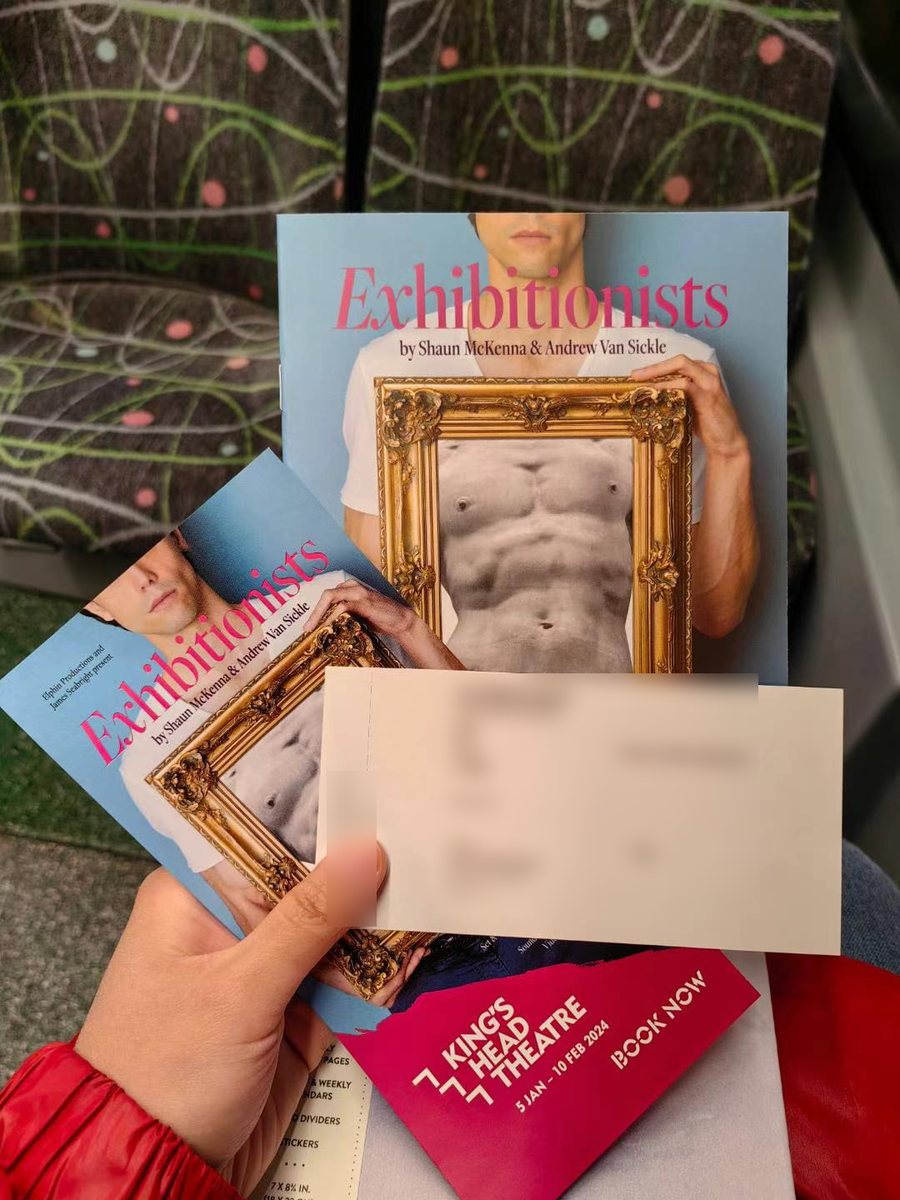
My ticket came through someone else’s discount, £10, a very good deal; the list price for my seat was £30. The programme was £3: a thin booklet with only the basics.
Thoughts from this seat
- Finding the right person matters far more than endless adjusting.
- Conversation usually lands more softly than plot.
- Four people, four relationships, each worth watching.
 Tianjiao TanProducer and writer. Makes theatre, and sits in the audience for everyone else’s.About me →← All reviews